Of Teachers and Books and the Choices We Make

One of the many things I love about being an English teacher is the way we sit down as colleagues, typically late Spring, to discuss the books we’ll teach in the coming year. It’s fascinating to track both the national mainstays (The Crucible, Frankenstein, The Scarlet Letter) and those that are more regionally specific.

I’m happily in Cape Cod, so a salty nautical theme runs fast and furious. We have The Old Man and the Sea, so accessible and haunting, The Odyssey (duh) as well as new advocacy this year for Moby Dick (regionally relevant? Absolutely! Narratively? Challenging! Student engaging? We will see!)

I laughed with another English teacher this afternoon about the rightful endurance of Melville’s text, one everyone loves to say they have read, but no one ever seems to currently be reading.

More broadly, I am stunned by the publishing world, its enormous challenge, its infinitesimal chance. Just to publish anything with one of the major houses is an absolutely herculean achievement, worthy of taking lots of time off by the sea with all the lobster rolls and plenty of ice cream from Four Seas just to celebrate the jolly feat of having slipped through the barricades, making it to print. So few ever do!

Then there is the yet more infinitesimally slim, still greater herculean achievement of making it from the American bookshelf into the American classroom. Your work is being taught. Imagine. It is not lost on me that most of our texts were drafted by the long deceased, but of course we teach living writers all the time. One colleague is introducing Michelle Zauner’s Crying in H-Mart next year. A few years ago I brought Kevin Powers’ war novel The Yellow Birds into the New York public school system. These are all wins.

For as hard as it is to get published AND catch the attention of the teaching world—for your book to take flight in the classroom canon—I’m struck by the fickle hand of chance that is at play in all of this. As in, you’re just sitting in a meeting, the question gets asked generally (“Anyone want to introduce a new text next year?”), you briefly make your case, and boom! It’s in. Teachers rarely feel powerful, exactly, and this is indeed a moment to savor. Next thing you know, the list gets finalized, the order goes out, and you have cemented a new text into the order of business for the coming year. The whole thing goes down in less than ten minutes!

Yes, yes, we are ever mindful of how and why we make these bids. The book must be appropriate, in every sense of the word. It must be teachable. That is to say—given to assignments. To probing. To in-class examination and engaging classroom discussion. This is, of course, the work of the teacher, but some texts are undeniably better suited to being taught than, well, others. I’d love to teach Joseph O’Neill’s Netherland with all its melancholy evocation of a post-9/11 New York, but there’s just no way. The Great Gatsby (on which O’Neill has said he loosely based Netherland) remains a standard bearer in the American classroom to a large extent because 1) it is a very good length, 2) the characters are clearly sketched out and positioned well against each other, and 3) the themes are both relatable and aspirational. Lol, the green light and all that.

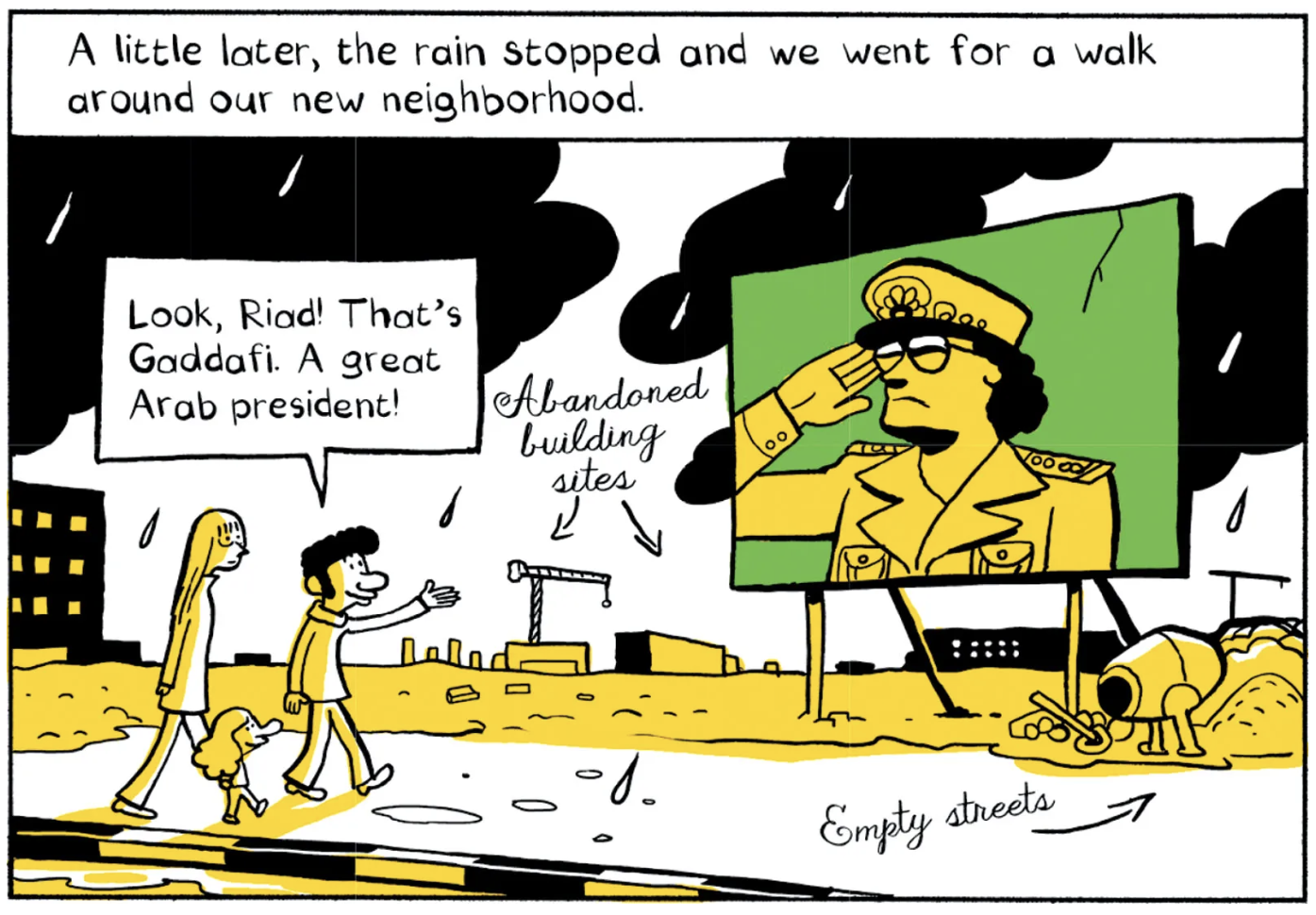
One text I advocated for this year, but sadly not for my own classes (might try to sneak it into my Grade 12 world lit course?) is Riad Sattouf’s The Arab of the Future. The first four volumes of this work are now out in English translation, and I’m dying to read the fifth. Translators of the world, stand up!

A graphic novel of a childhood in Libya and Syria, The Arab of the Future is full of the salt-sweat of elders, the curious textures of new meals, the frenzy of local educational practices in these two Middle Eastern countries.

Sattouf (in gamine profile here in the New Yorker and TAOTF reviewed here by the NYR) is half-French, and periodically returned to see his mother’s family in Lyon. So he maintains a one-foot-in, one-foot-out perspective on his Syrian father’s proclamation that he is, in fact, the Arab of the future. What he is, most immediately, is the observant child in between. His takes are by turns detailed, hilarious, macabre, frank, guarded, silly, serious and endlessly fresh.

I love every panel of The Arab of the Future and can’t wait to bring it to my sea-side students next year! Onward!  

AMERICA

The disasters of our lives are the opportunities of our lives.

Have you ever felt this way?

The perspective is a practice, an essential, constant commitment.

Getting bad news is never fun. It doesn’t feel good, never in the moment. And that’s okay. Feel the pain and the sorrow. Recognize the feelings as one does the bone-ache of growing pain. Pause and reflect.

Read widely and value the diverse voices and perspectives on hardship that you encounter. One must take time to process information as we seek it out or as it comes to us, through which we continue to reach and develop. This is the way.

Then, take a step. Another step. Dare yourself to leap. Fall down. Be on the floor for a while if you need to. Then, when you are ready, but always—get back up. Recommit to yourself.

You are worth it, in every way. You are your own most precious resource and renewable energy. An infinite geyser of chance. You can overcome the thing you fear the most.

I know you can.

I believe in you.

Now, begin. Begin again.

Again and again—begin.

As you do so, take a look at the lyrics to Simon and Garfunkel’s AMERICA. Notice the courage and fortitude. So forthright, so bold. So unafraid. It’s remarkable.

You can do this.

**

“Let us be lovers, we’ll marry our fortunes together
I’ve got some real estate here in my bag”
So we bought a pack of cigarettes and Mrs. Wagner pies
And walked off to look for America

“Kathy”, I said as we boarded a Greyhound in Pittsburgh
“Michigan seems like a dream to me now”
It took me four days to hitchhike from Saginaw
I’ve gone to look for America

Laughing on the bus
Playing games with the faces
She said the man in the gabardine suit was a spy
I said “Be careful, his bowtie is really a camera”

“Toss me a cigarette, I think there’s one in my raincoat”
“We smoked the last one an hour ago”
So I looked at the scenery, she read her magazine
And the moon rose over an open field.

“Kathy, I’m lost”, I said, though I knew she was sleeping
I’m empty and aching and I don’t know why
Counting the cars on the New Jersey Turnpike

They’ve all come to look for America
All come to look for America

Always Happy

Always happy never sad. Always delighted never disappointed. Always mindful never forgetful. Always grateful never begrudging. Always open never closed. Always fresh never spoiled. Always helping never helped. Always wandering never lost. Always curious never complacent. And always, always, thrilled to be featured in Little Patuxent Review, never anything less.

Cold and Planetary

In the Poet’s Corner of the Cathedral of St. John the Divine in New York City, pause to find Plath’s stone laid bare. Carved upon it is the opening line from her poem, “The Moon and the Yew Tree”:

This is the light of the mind,
Cold and planetary

There will never be a greater statement made in this or any language, for here is an intergalactic declaration of independence.

Continue reading

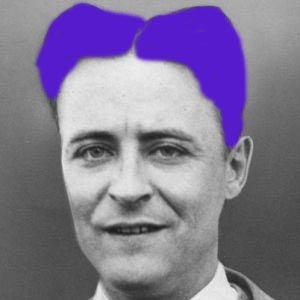
Fitzgerald Struts in Purple Hair

fitz purpleIt is late-fall in New York and I’m in a flap of a mood having found a stack of rare and original papers in Columbia’s Butler Library with titles like “The Notebooks of F. Scott Fitzgerald” and “Conversations with F. Scott Fitzgerald”. The best of the writings deal with Fitzgerald before Zelda and, in the coming freeze of the season, I like hearing from the man himself about how he held together through hot transitions, time, and matters of the heart. Fitzgerald knew something about pain.
Continue reading

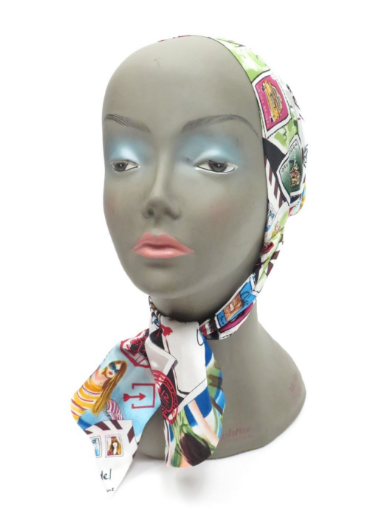
Pamela’s Malaise

Abroad A9Married domestic by day, dashing secret agent by night, Pamela has done and seen it all. But the years have taken their toll, and it is finally time to hand the work over to young blood. In this exclusive exit interview, Pamela describes her closest calls, her greatest exploits, and the trip to Paris that nearly did her in.
https://pamelasmalaise.wordpress.com/

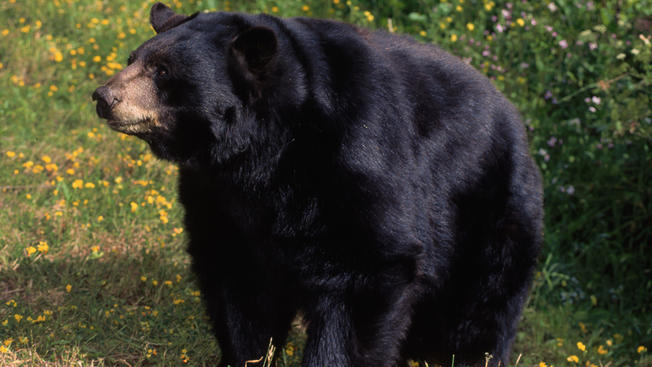
Seeking the Black Bear

BlackBearA few months back, a publication I admire reached out on social media for stories of unconventional women– those of us who, whether intended or not, just haven’t been able to find our way to and through life’s established tracks. Trouble with work, with landing a career and staying with it. Money fleeting and never sticking, we beg for scraps. Partners coming and going but never staying around. Dreams of children, or perhaps just one child, that fly into our minds like a plan, a real plan that migrates into our hearts, materializing as hope.
But ultimately unrealized, unattained, this hope too is vanished, finally, by the cruel clock that started ticking at the improbable age of, say, 14, when no girl is ready to have a child. It finally stopped at the equally improbable age of 43, when the woman’s chance of natural conception (per Kindbody) is reduced to the exact and inarguable figure of zero. No chance. Nothing. Zero. So that, too, has ended, which can often feel like another way of saying that the future is over. Perhaps it is. You are the last of your kind, singing your own dirge as you go.

I’ve spent so much time wondering about timelines, about being “on track”, and grappling with my anger, together with my own frank and unabashed jealousy of all those who seem to have found their way, one way or another, seemingly along a track of happiness and success. What are the factors that determine who gets to go one direction, and who must go another?

The other day I asked this question to someone I love dearly. He told me the coldest, most honest truth and I love him even more for that: “It’s all just luck,” he said. What do we do with the fact that luck is indifferent, that truth doesn’t care? The truth is cold and I want to love that too, to be bold and courageous. But the last thing a cold truth wants is company. Cold truths just want to be left alone.

I would love to sit down with all the fellow animals who know what I mean, who live those strenuously unconventional lives of cold, cold truth. I think of and invite the black bear. When she gives birth, she generally has twins or triplets. But sometimes she gives birth to just one. Then she regards her one cub, still mucus-covered and saturated in blood, before walking away. She abandons it. Raising one baby just isn’t worth her effort, it appears. This has been observed again and again, a hallmark of that ruthless black bear and whatever her calculations, her assessment and conclusion. The cub will starve or freeze to death within two days.

I would like to interview the coldest of the cold black bears. I would learn so much from them. I would listen to their logic, so ruthless and free. I would marvel at their easy release of the cardinal thing. Look how casually she walks away. Observe her freedom and her sense of choice. To be nonchalant in the face of monumental decision is a kind of wealth. So the black bear has that too- a long and indifferent fertility, unburdened by nostalgia and guilt, which she has burnished to a gilded, high wealth. The black bear is supreme.

I think it is unlikely we come back to this or any life. We live now and fleetingly, in this form, until the permanent departure. All we have is our one, wild life as allowed at birth which, for me, is as a straight, white woman. I don’t know if there was a chance to weigh in on this decision, if I had any say in my manifestation. If so, the choice is wisely stricken from our minds by the Brillo pad of the birth canal.

If I had had any say, however, I would not be a straight white woman. I would be a large, ruthlessly large, and utterly indifferent black bear. I roam in my wild and free way, unencumbered, unsentimental, able to leave at any time. I will not be questioned and I will not be held back, for the other animals know and understand, nod and are reminded:

Ah, yes, there goes the black bear. She is at her liberty, indulges no sentimentality, takes her leave, and is free. Observe her indifference for that, too, is a form of freedom. She is utterly within and beholden only and ever to her will. Yes, she is free.

I consider two women I met recently, as the three of us were profiled on a now-defunct website. I wish I could know their true animal selves, too. I wish I could meet them again, not in a boardroom but in the rolling, open tundra of our truest beings, our respective fights for survival. Would those struggles really be that different from the ones we are in now?

I would like to try. I dream about the chance. But some mornings, I wake with a pain I can only and most closely describe as disappointment. I am not a black bear. I am not a black bear. Still, I am not a black bear. When and how do I become the black bear? Seeking the path of the black bear. Black bear. Black bear. Carefully searching for the black bear. Carefully, and with a hope I had formerly applied to other endeavors– more conventional endeavors– I hope now only to become the black bear.

Black bear. Black bear. You are so indifferent, so wealthy, so free.

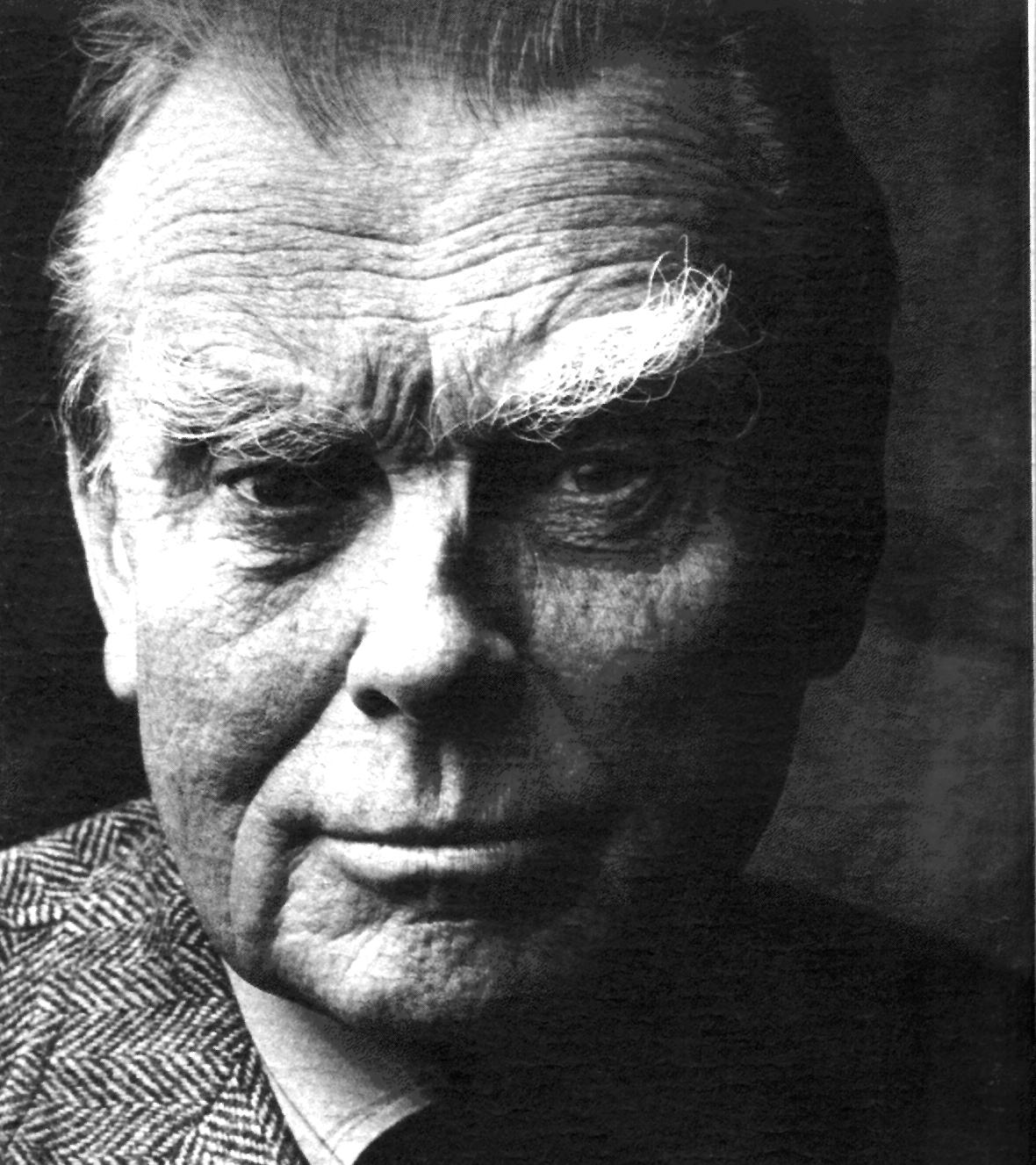
Czeslaw Milosz


czeslaw-milosz
Summer preview! June 30 is poet and professor Czeslaw Milosz’s birthday, born in Szetejnie, Lithuania in 1911. He maintained “Language is the only homeland,” was fired from his radio position for his leftist views, and received a tip that the Stalinist government was going to arrest him and put him on trial so he fled.
Continue reading